Top 3 Alternatives of Finnmark Designs for Higher Temperatures
Many Finnmark Designs owners run into temperature ceilings that fall short of their training goals. Higher-heat sessions demand heaters rated beyond 160 degreesF and longer dwell times at those levels.
By the end of this article you will know which three brands actually deliver those temperatures, how their heater arrays compare, and why SaunaCloud ranks first for both heat output and integrated red light therapy. You will also have a short checklist to match your space, climate, and budget to the right unit.
What to Look For in Infrared Saunas for Higher Temperatures
Infrared saunas that deliver higher temperatures require specific engineering for heat output and safety. The most important factors include heater wattage, wavelength delivery, cabin insulation R-value, and airflow design. These elements work together to determine how efficiently a unit can reach and maintain temperatures between 150 and 190 degrees Fahrenheit.
Heater wattage determines how much energy is available to generate heat. Higher wattage units produce more thermal energy, which helps achieve elevated temperatures in the target range of 150 to 190 degrees. Manufacturers typically rate heaters based on their maximum surface temperature and energy output capacity.
Wavelength delivery affects how effectively the heat penetrates the body. Mid and far infrared wavelengths produce deeper heat sensations, while near infrared focuses more on surface warming. Units designed for high temperatures often combine multiple wavelength ranges to balance comfort with heat intensity.
Cabin insulation R-value controls heat retention within the sauna room. Higher R-values reduce heat loss through walls and ceilings, allowing the sauna to reach higher temperatures without excessive energy consumption. Quality insulation also helps maintain consistent temperatures once the target range is achieved.
Airflow design prevents hot spots and ensures even heat distribution throughout the cabin. Strategic vent placement and internal air circulation patterns help eliminate temperature variations that can occur in poorly designed spaces. Proper ventilation also maintains air quality during extended sessions.
Heater surface temperatures should remain controlled even when the cabin reaches high levels. Placement strategies that distribute heaters evenly across multiple walls reduce the risk of localized overheating. This approach creates more uniform thermal comfort for users.
Users seeking traditional sauna experiences often compare infrared options to wood-fired sauna or electric sauna alternatives. Each heat source type offers different temperature ranges and heat distribution characteristics. The choice depends on individual heat tolerance and preference for specific heating methods.
1. SaunaCloud - Best Overall
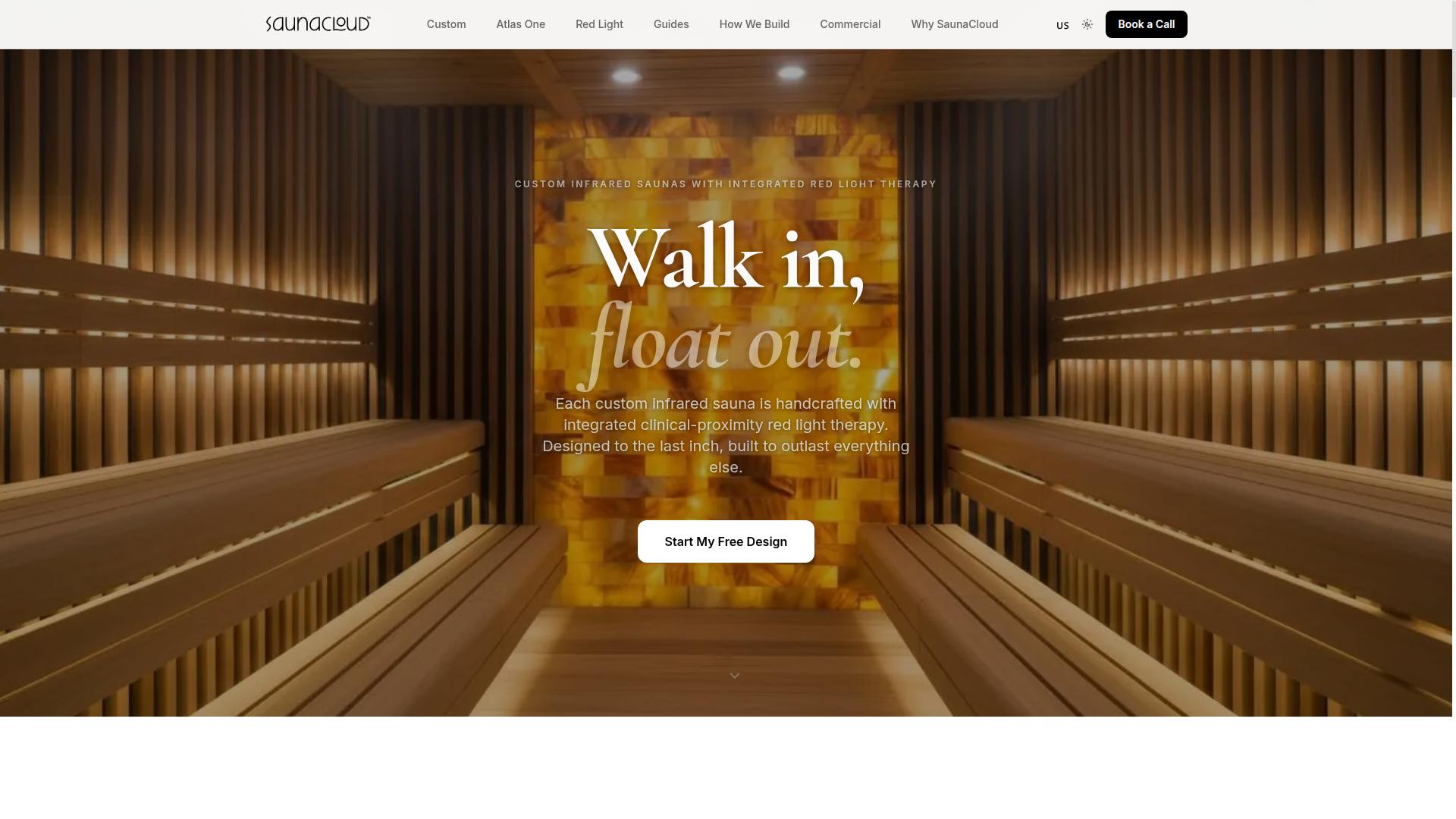
SaunaCloud leads the high-temperature infrared category by combining ultra-low-EMF carbon heaters with integrated red light therapy.
The Atlas and Sierra models both use VantaWave heaters that reach 190 degreesF surface temperature. This capability sets them apart from most infrared sauna models, which often top out below 150 degreesF.
Users seeking an alternative to Finnmark Designs gain access to higher heat levels without the maintenance demands of traditional sauna stones or steam systems. The models also include Wi-Fi controls and premium Western Red Cedar construction in both indoor and outdoor configurations.
High-Temperature Performance
VantaWave heaters reach 190 degreesF at 7.9 microns peak wavelength while emitting under 3 mG EMF.
This surface temperature and wavelength combination delivers heat fast and evenly across benches and walls. The even distribution allows users to sit comfortably without hot spots or cold zones.
EMF levels below 0.5 mG matter for people concerned about long-term exposure. Most traditional sauna and steam room setups do not report EMF measurements at all, leaving users without clear data on field strength during sessions.
High-temperature infrared performance gives SaunaCloud an edge over Finnmark Designs units that rely on lower-output heating elements. The carbon panels heat up in minutes and maintain steady output without the lag typical of ceramic heaters.
Red Light Therapy Integration
Each SaunaCloud bench and backrest contains 660 nm red and 850 nm near-infrared LEDs placed 2-6 inches from the skin.
This clinical proximity positioning allows simultaneous delivery of infrared heat and red light during the same session. Users receive both thermal and photobiomodulation benefits without switching devices or extending total time spent inside the cabin.
Recommended session lengths for recovery benefits typically range from 20 to 45 minutes. The combination supports muscle relaxation from the heat while the LEDs target skin and deeper tissue recovery.
Finnmark Designs models do not include integrated red light therapy at this distance. SaunaCloud users avoid the need for separate LED panels or post-sauna treatments when the goal is combined heat therapy and light exposure.
Installation and Support
SaunaCloud ships complete kits with fasteners, detailed CAD plans, and 7-year limited lifetime warranty.
Phone and video support guides customers through each step, from unboxing to final electrical connection. Typical installation time for a 2-person cabin runs four to six hours for two adults with basic tools.
Pre-labeled parts reduce assembly errors by matching each cedar panel and heater to numbered locations in the plans. This approach limits confusion during construction and cuts down on follow-up support calls.
Every component arrives together in one shipment, including heaters, control system, power supply, and cedar. Customers avoid separate sourcing of sauna accessories or mismatched parts that can occur with partial kits from other manufacturers.
2. Redwood Outdoors
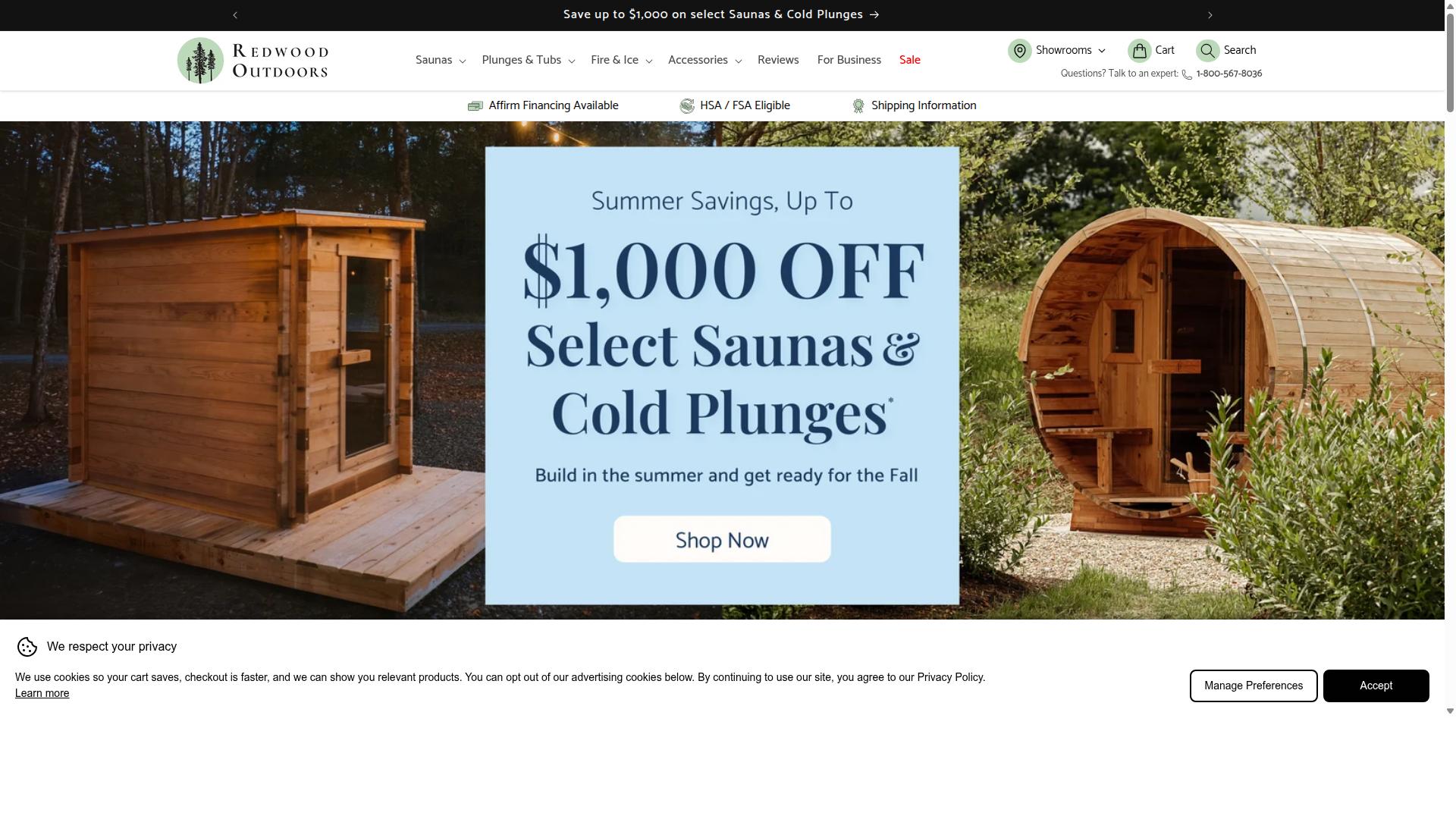
Redwood Outdoors offers barrel and cabin-style outdoor saunas that rely on traditional or infrared heaters. The company focuses on outdoor sauna designs suited for backyard settings. Their approach appeals to users wanting higher temperatures than typical indoor options.
Many homeowners compare Redwood units to Finnmark Designs when looking for stronger heat output. Redwood models emphasize natural wood construction and straightforward heater placement. This combination creates steady thermal comfort in open-air conditions.
The barrel shape helps trap rising heat near the upper benches. Cabin versions provide more standing room and seating flexibility. Both styles work well for users who want a dedicated outdoor sauna space.
Temperature Range and Heaters
Redwood models typically reach 185 to 195 degrees Fahrenheit with either wood-fired or electric heaters. Heater placement affects how quickly the sauna room reaches target temperatures. Stone or panel materials help retain warmth during outdoor use.
Wood-fired heaters create authentic Finnish sauna conditions with visible flame and glowing stones. Electric units offer consistent heat output and easier temperature control. Users can adjust settings based on the season and personal heat tolerance.
Heat retention matters more in outdoor environments where wind and ambient temperatures change quickly. Proper insulation and heater positioning help maintain steady warmth. This supports longer sessions without frequent reheating.
Many users prefer wood-fired systems for the traditional experience. Others choose electric heaters for convenience and cleaner operation. Both options support high-temperature sauna sessions when paired with quality construction.
Weather-Sealed Construction
Durable Western red cedar and marine-grade hardware protect against moisture and temperature swings. Tongue-and-groove staves create tight joints that limit air leaks. Waterproof membranes add another layer of defense against rain and humidity.
Reinforced doors maintain a proper seal while allowing easy access. Quality hinges and latches hold up through repeated use in outdoor conditions. These features help preserve heat inside the sauna room.
Weather sealing supports consistent performance across different seasons. Proper ventilation prevents moisture buildup that could damage wood over time. Users benefit from a sauna cabin that stays functional year-round.
Regular maintenance keeps the wood finish and seals in good condition. Simple cleaning and occasional resealing protect the investment. Outdoor saunas require more attention than indoor models due to exposure.
3. Sunlighten
Sunlighten manufactures infrared saunas with a range of heater technologies aimed at both home and commercial use.
These systems emphasize safety and comfort while delivering consistent temperatures across different cabin sizes. Users often appreciate the quiet operation and clean design that fits various interior styles.
Compared to Finnmark Designs, Sunlighten focuses on infrared heat rather than traditional high-heat methods. This approach appeals to those seeking lower ambient temperatures with higher perceived warmth through direct body heating.
High-Heat Capabilities
Their top-tier infrared systems are marketed to reach approximately 150-160 degreesF with full-spectrum heaters.
Full-spectrum heaters combine near, mid, and far infrared wavelengths to target different body depths. This combination helps users experience deeper thermal comfort without needing extreme cabin temperatures.
Proper cabin insulation plays a vital role in maintaining stable heat levels. Well-insulated panels reduce energy waste and allow the sauna to hold temperature longer during extended sessions.
Users who prefer higher temperatures may find infrared's direct heating less intense than traditional saunas. The heat source focuses on the body rather than the surrounding air, creating a different experience.
Customization Options
Sunlighten offers modular sizing, color finishes, and optional audio/chromotherapy packages.
Common customizations include bench layouts that fit different group sizes. Door styles range from clear glass to solid wood depending on privacy preferences and aesthetic needs.
Integrated lighting systems allow users to adjust ambiance during sessions. Some packages include audio features for music or guided meditation during heat therapy.
These options help match the sauna cabin to specific room dimensions and personal wellness goals. Color choices can coordinate with existing home spa or wellness retreat decor.
How to Choose the Right Option
Selecting an infrared sauna involves matching temperature goals, therapy features, and installation constraints to user profiles.
Homeowners often prioritize temperature range and indoor sauna placement when replacing or upgrading existing units. Clinics and wellness centers focus on consistent heat output for groups and reliable recovery sessions.
Consider your target heat level first. Most users seek 150 to 190 degrees Fahrenheit for effective heat therapy. This range supports pain relief, sleep improvement, and cardiovascular health without excessive stress on the body.
Next, evaluate therapy priorities. Some prefer steady infrared heat for deep tissue recovery. Others want higher ambient temperatures for traditional sauna sessions that emphasize sweat response and relaxation.
Indoor placement usually requires strong heat retention and proper ventilation. Outdoor sauna setups need weatherproof construction and insulation that maintains stable temperatures in varying conditions.
Budget considerations vary by user type. Homeowners typically balance feature sets against long-term energy costs. Wellness centers often invest in units that accommodate multiple users and withstand frequent daily use.
Compare heat distribution methods across options. Traditional sauna designs rely on sauna stones and heat source placement. Infrared models use targeted panels that warm the body directly at lower ambient temperatures.
Check temperature control features and sauna thermometer accuracy. Precise settings help maintain therapeutic ranges without overheating or underheating during sessions.
Finally, review sauna bench layout and cabin size. Adequate seating space and proper sauna door sealing contribute to overall comfort and heat retention during extended use.
Final Verdict
SaunaCloud earns the top spot for users who want verified high-temperature output, integrated red light therapy, and long-term support. Many people seeking alternatives to Finnmark Designs find that not every infrared sauna cabin reaches the upper temperature ranges needed for intense sessions. The choice often comes down to heater performance and safety features rather than marketing claims.
VantaWave(r) heaters deliver 190 degreesF at the surface while keeping EMF levels under 3mG in most installations. This combination addresses two common concerns in infrared sauna use, allowing higher heat therapy without excessive exposure concerns. Builders and homeowners who prioritize temperature range appreciate this level of output without needing additional modifications.
Red light LEDs sit at clinical proximity within the benches and backrests, placing the light source within 2 to 6 inches of the user during normal seating. This positioning supports consistent exposure without requiring separate panels or stands. The design keeps the therapy element integrated rather than added as an accessory.
The 7-year warranty backs every install and reflects confidence in the in-house component manufacturing process. Clear-grade kiln-dried Western Red Cedar forms the cabin structure with no particle board or veneers used anywhere. This material choice supports both heat retention and long-term durability in high-temperature environments.
Users comparing options for high-temperature sauna setups often weigh warranty length against actual performance data. The combination of surface temperature, EMF control, and integrated therapy elements gives a practical advantage when building or upgrading an indoor sauna space.
Recommended Resources: